
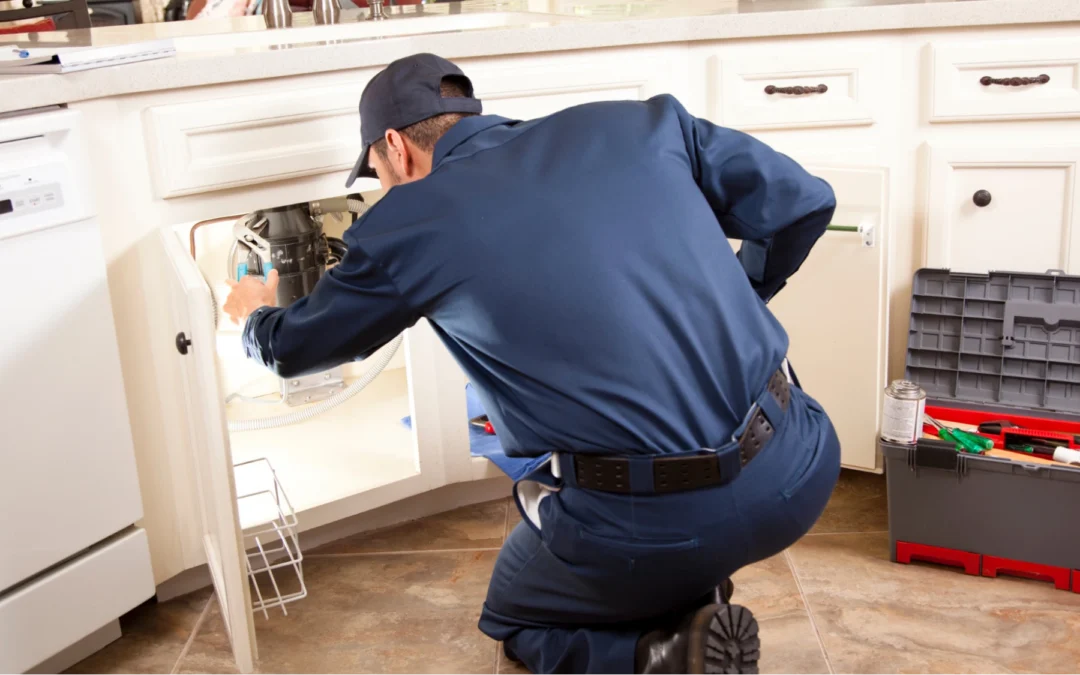
You walk downstairs and your sock lands in a puddle. The carpet squishes. There’s a brown stain spreading across the drywall under the kitchen sink, and you can hear water hissing somewhere you can’t see.
Once the water is off, most people have the same question: will insurance pay for this?
Usually, yes, if the leak was sudden and accidental. A standard homeowners policy typically covers water damage from a pipe that bursts, a supply line that snaps, or a water heater that suddenly fails. It usually won’t cover damage from a slow leak that went on for weeks, from general wear and tear, or from outside flooding. Whether your water damage insurance claim gets paid often comes down to that difference, plus how fast you act to stop more damage.
This post covers what’s usually covered, what water mitigation costs, why it can’t wait, what to do in the first 48 hours, and how the repair work tends to unfold. Knowing all this up front makes for a smoother claim and fewer surprises.
Does Homeowners Insurance Cover Water Damage From a Plumbing Leak? The Short Answer
Most standard homeowners policies cover damage from water that escapes your plumbing “suddenly and accidentally.” That language shows up in a lot of policies, and it’s the phrase adjusters pay the most attention to.
Here’s what that tends to include:
- A pipe that freezes and bursts during one of those January cold snaps
- A washing machine hose or toilet supply line that splits
- A water heater tank that ruptures
- An overflow from a sudden appliance malfunction
What’s usually covered is the damage the water caused: the soaked drywall, warped hardwood, ruined cabinets, and wet insulation. The broken pipe itself is often a different story. Many policies won’t pay to fix the failed part, though some will cover tearing out a wall or floor to get to it. Every policy is written a little differently, so call your agent and get a straight answer about yours.
Sudden Burst or Slow Drip: The Detail That Decides Most Claims
This is where a lot of claims run into trouble.
Picture two homes in Marietta. In the first, a copper line in the crawl space freezes overnight and splits open by morning. In the second, a pinhole leak behind the dishwasher drips quietly for three months, rotting the subfloor and growing mold along the baseboard. Both homeowners are dealing with water damage. Only the first one is likely to get a check.
Insurers usually treat slow, ongoing leaks as a maintenance issue. Their position is that the homeowner could have caught it. Adjusters look for clues like dark rings in the wood, layers of staining, rust, or mold that clearly took a while to grow. If the damage looks old, expect pushback.
A few other common exclusions are worth knowing about:
- Flooding from outside. Rising water from storms or overflowing creeks needs a separate flood policy.
- Sewer or drain backup. This is often excluded unless you’ve added an endorsement for it.
- Mold. Coverage is often limited or capped, especially when the mold came from a leak that wasn’t fixed.
This is why catching hidden leaks early matters. If your water bill jumps for no clear reason, our guide on finding a hidden leak behind a high water bill walks through what to check. Professional leak detection can find a problem before it turns into a claim nobody wants to pay.
What Water Mitigation Costs and Why It Shouldn’t Wait for the Adjuster
Water mitigation is the work of stopping the damage from getting worse. It means pulling out standing water, removing soaked materials that can’t be saved, and running commercial dehumidifiers and air movers until everything is properly dry.
Your water mitigation cost depends on a handful of things:
- How much water and how far it spread. One wet bathroom is very different from a finished basement with water under the carpet pad.
- What kind of water it is. Clean water from a supply line is simpler to handle than dirty water from a drain.
- How long it sat. The longer water stays, the more drywall, insulation, and flooring have to go.
- Materials involved. Hardwood, plaster, and built-in cabinets take more care than vinyl and bare concrete.
Don’t wait for the adjuster to see the damage before you start drying. Most policies expect you to take reasonable steps to prevent further damage, and in Georgia’s humidity, mold can start showing up within a day or two. If you sit on a soaked floor for a week, the insurer may argue that some of the damage was avoidable.
Take photos before anything gets moved, then get the drying started. Our water extraction team focuses on this first stage. For a closer look at the steps, see how the water mitigation process works. Always ask for a written estimate so you know what you’re paying for and can hand it to your insurer.
Filing a Water Damage Insurance Claim: What to Do in the First 48 Hours
The first two days set the tone for your whole claim. Here’s a simple order of operations:
- Shut off the water. Find your main shutoff valve, which is often in the basement, crawl space, or near the meter by the street. If the leak is near outlets or appliances, turn off the power to that area.
- Document everything. Take wide photos of each room, close-ups of the damage, and a video walkthrough. Get a shot of the broken pipe or failed part if you can.
- Call your insurer. Report the claim quickly. Write down your claim number, the adjuster’s name, and the date of every call.
- Start mitigation. Get the water out and the drying going. Keep every invoice and receipt.
- Hang on to damaged items. Don’t throw out ruined furniture or flooring until the adjuster says it’s okay. Photos help, but sometimes they’ll want to see the real thing.
- Keep the failed part. That cracked fitting or split hose is evidence that the failure was sudden.
If you’re still in panic mode, our post on what to do during a burst pipe emergency covers the first few minutes in more detail.
From Extraction to Rebuild: How the Repair Side of a Claim Usually Plays Out
Once the water is gone and the house is dry, the claim moves into the rebuild phase. It’s usually the slowest part, and the part homeowners feel most in daily life.
It typically goes like this. The plumbing gets repaired first, whether that’s a burst pipe repair or a replaced supply line. Then moisture readings confirm the walls and subfloor are truly dry. After that, the rebuild starts: new drywall, insulation, paint, flooring, baseboards, and sometimes cabinets or vanities.
Your adjuster will usually review a scope of work before rebuild work starts. This is where detailed mitigation records pay off. The clearer the paper trail, the fewer arguments about what was damaged and why.
Busted Pipes Plumbing handles the plumbing repair, the water extraction, and the rebuild repairs, so the same company follows the job from the first call to the final coat of paint. The team also supports you through your insurance claim. That means you’re not left coordinating a plumber, a drying company, and a contractor while you’re also on the phone with your insurance company.
Dry Floors, Clear Answers, and a Plan That Holds Up
A plumbing leak is stressful enough without guessing about money. Here’s what to keep in mind: sudden failures are usually covered, slow leaks usually aren’t, and how fast you dry things out matters to both your house and your claim. Take the photos, make the call, and get the water out.
If you’re dealing with water damage in Roswell, Alpharetta, Marietta, or anywhere in Metro Atlanta, reach out to Busted Pipes Plumbing. We’ll stop the leak, dry out your home, and help you put things back the way they were. For urgent situations, our emergency plumbing team is ready to help.
Frequently Asked Questions
Does homeowners insurance cover a slow leak under the sink?
Usually not. Most policies treat slow, ongoing leaks as a maintenance issue rather than a sudden event. If the damage shows signs it built up over weeks or months, like rot, layered staining, or mold, the claim is likely to be denied.
Will insurance pay to fix the broken pipe itself?
Often not. Many policies cover the water damage the pipe caused but not the repair or replacement of the failed pipe. Some will cover the cost of opening a wall or floor to reach it, so check your policy wording.
How long do I have to file a water damage insurance claim?
It depends on your policy, but you should report it as soon as possible. Many policies require “prompt” notice, and waiting too long can weaken your claim.
Should I start water cleanup before the adjuster comes?
Yes. Document the damage with photos and video first, then start drying. Most policies expect you to prevent further damage, and waiting can lead to mold and a reduced payout.
Does homeowners insurance cover mold from a leak?
Sometimes, with limits. If mold results from a sudden, covered leak, some policies pay for removal up to a set cap. Mold from a long-term leak is usually excluded.
What’s the difference between water mitigation and water restoration?
Mitigation stops the damage from spreading by removing water and drying the structure. Restoration, or rebuild, repairs and replaces what was damaged, like drywall, flooring, and cabinets.