
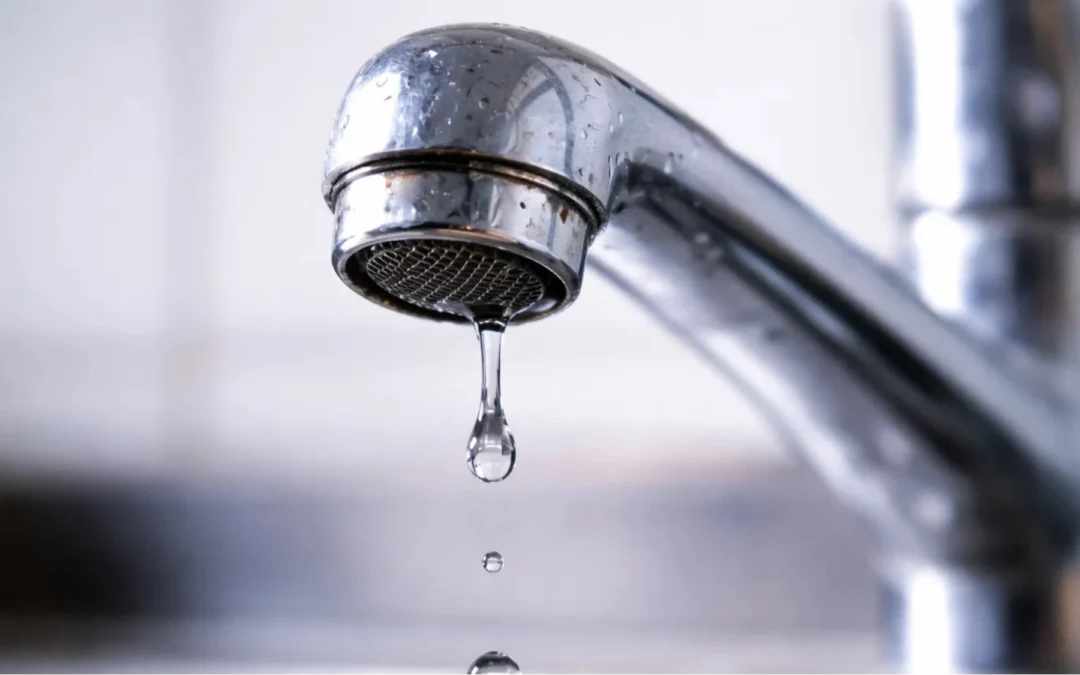
You’ve probably told yourself you’d deal with that dripping faucet “this weekend.” Then the weekend comes and goes, and the dripping continues. It’s easy to write off a leaky faucet as a minor annoyance, especially when there are a hundred other things competing for your attention. But here’s the thing: that slow, steady drip is doing real damage to your wallet and possibly to your home.
In this post, we’re breaking down what actually causes faucets to leak, how much water (and money) those drips are costing you, and what you can expect to pay when it’s time to fix the problem. By the end, you’ll have a clear picture of whether to tackle it yourself or call in a licensed plumber.
What Causes a Faucet to Leak?
The short answer: worn-out parts. But the specifics depend on what type of faucet you have and where the leak is coming from.
The most common culprit is a deteriorated rubber washer or O-ring. Every time you turn the faucet on or off, that small washer presses against a valve seat. Over time, the friction wears it down, and water starts seeping through even when the handle is in the “off” position. Cartridge faucets have a similar issue: the cartridge itself can wear out or crack, leading to a steady drip from the spout or a leak around the base of the handle.
Ceramic disc faucets are generally more durable, but they’re not immune. The ceramic discs can crack or accumulate mineral buildup, particularly in areas with hard water, and once that seal is broken, the dripping starts. Loose packing nuts, corroded valve seats, and worn-out seals are all contributing factors you’ll encounter in older faucets regardless of style.
One thing worth mentioning: Atlanta’s water supply does run through older municipal infrastructure in some neighborhoods, and mineral deposits from the water can accelerate wear on internal faucet components. If you’ve noticed white or green buildup around your fixtures, that mineral buildup is likely shortening the life of your faucet parts.
How Much Water Does a Dripping Faucet Actually Waste?
More than most people realize. A lot more.
A faucet dripping once per second wastes roughly 3,000 gallons of water per year, according to the EPA. That’s equivalent to more than 180 showers. If you’ve got two or three leaky faucets around the house (a bathroom faucet leak here, a kitchen faucet leaking there), you could easily be looking at 8,000 to 10,000 gallons of wasted water annually.
In Metro Atlanta, that translates directly to higher water bills. The Atlanta Department of Watershed Management charges by the hundred cubic feet of water used, so even a modest leak compounds fast. Homeowners are often surprised when they trace a creeping utility bill back to a faucet they’d been ignoring for months.
What’s the Real Cost of a Leaky Faucet?
There are two categories of costs here: the ongoing waste and the repair itself.
- The ongoing cost of doing nothing: A slow drip can add $20 to $200 or more to your annual water bill, depending on how bad the leak is and your local water rates. Over several years of ignoring the problem, you could spend far more in wasted water than it would’ve cost to fix the faucet in the first place.
- The cost to fix a leaky faucet: Faucet repair costs typically range from $100 to $250 for labor and parts, depending on the faucet type and the extent of the damage. A simple washer or O-ring replacement on a basic compression faucet is on the lower end. A cartridge replacement or a more complex repair on a high-end fixture can push costs higher.
If the faucet is old, corroded, or the valve seat is damaged, a full faucet replacement cost often makes more sense than continuing to repair aging components. Faucet replacement (parts plus labor) generally runs between $150 and $400+, depending on the fixture you choose and the complexity of the installation.
When a Drip Becomes a Much Bigger Problem
A leaky faucet rarely announces itself as a serious issue. It starts small and stays small long enough for you to get comfortable ignoring it. That’s what makes it deceptive.
Left unaddressed, a corroded valve seat or damaged cartridge can develop into a more significant failure. Water can work its way behind the wall, under the sink, or into the cabinet below, leading to mold, wood rot, and structural damage that costs thousands, not hundreds, to remediate. What started as a dripping faucet has now become a water damage restoration project.
The risk is especially real with kitchen faucet leaks. Kitchens see heavy daily use, and the plumbing under the sink is often in a confined, hard-to-inspect space. By the time you notice water damage under the sink, it’s typically been happening for a while.
Should You Repair or Replace the Faucet?
If your faucet is less than 10 years old and the leak is coming from a worn washer, O-ring, or cartridge, a repair usually makes sense. The parts are cheap, and a licensed plumber can have it done quickly.
But if your faucet is older than 15 years, shows signs of corrosion, or has needed multiple repairs in recent years, replacement is likely the smarter investment. Modern faucets are more water-efficient and built to last longer than many older models, so you’ll come out ahead in the long run.
When you’re on the fence, a good plumber will give you an honest assessment rather than automatically steering you toward the pricier option. That’s the kind of straightforward guidance the team at Busted Pipes Plumbing aims to provide: real answers based on what’s actually going on with your plumbing, not a sales pitch.
Finding a Reliable Plumber Who Won’t Overcharge You
One of the biggest hesitations homeowners have is calling a plumber at all. Nobody wants to pay a service fee just to get an estimate, and stories about inflated quotes or unnecessary repairs are common enough to make people skeptical.
Here’s how to find and hire a plumber you can trust in Metro Atlanta:
- Clear, upfront pricing before any work begins: A reputable plumber should be able to give you a straightforward quote after diagnosing the issue. No vague estimates, no surprise fees.
- Licensing and insurance: In Georgia, plumbers are required to be licensed by the state. Don’t hesitate to ask.
- Local knowledge matters: A plumber who works regularly in Roswell, Alpharetta, Marietta, and surrounding communities understands the local water quality issues, the types of older homes in the area, and the common plumbing patterns that come with them.
Busted Pipes Plumbing serves homeowners across Metro Atlanta with transparent pricing and licensed technicians who can handle everything from a simple faucet repair to more complex residential plumbing services.
Your Faucet Questions, Answered
How do I know if my faucet leak is serious?
Any visible drip is worth addressing, but leaks accompanied by low water pressure, water stains around the base of the faucet, or moisture under the sink are signs the problem may be more than just a worn washer.
Can I fix a leaky faucet myself?
Simple washer or O-ring replacements are DIY-friendly if you’re comfortable shutting off the water supply and disassembling the faucet. More complex repairs involving the valve seat, cartridge, or supply lines are better left to a licensed plumber to avoid making the problem worse.
How long does a faucet repair take?
Most standard faucet repairs take 30 minutes to an hour. A full faucet replacement typically takes one to two hours, depending on the fixture and any complications with the existing plumbing.
Is a dripping faucet an emergency?
Not typically. But if the drip has escalated to a steady stream, you’ve noticed water pooling under the sink, or the leak is affecting your hot water supply, calling a plumber promptly prevents the situation from turning into an emergency repair.
How can I prevent faucet leaks?
Regular inspections, avoiding overtightening faucet handles (which accelerates washer wear), and installing a water softener if you have hard water can all extend the life of your fixtures significantly.
Stop the Drip Before It Drains Your Budget
A leaky faucet is never just a leaky faucet. It’s water running out the door, a water bill that keeps climbing, and the early sign of a plumbing system that needs attention. The good news is that faucet repair is one of the most straightforward and affordable plumbing fixes out there, as long as you don’t wait too long.
If you’re dealing with a dripping faucet in Roswell, Alpharetta, Marietta, or anywhere in the Metro Atlanta area, Busted Pipes Plumbing is ready to help. Reach out for a clear diagnosis, honest pricing, and a repair that actually holds.