
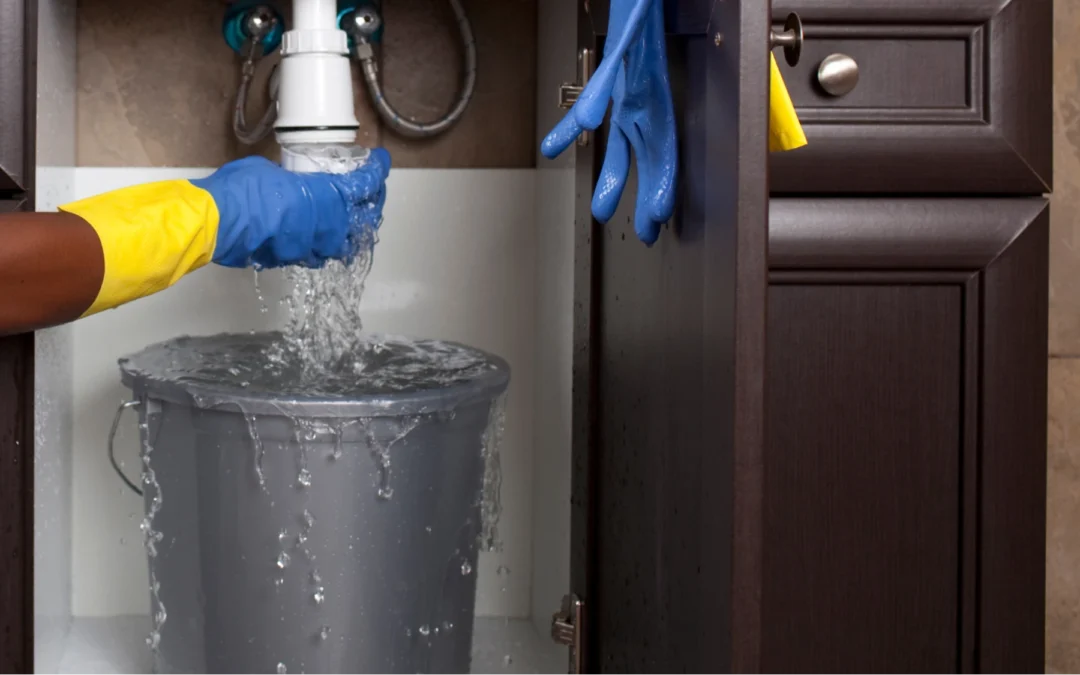
It’s the middle of the night. You hear water running where it shouldn’t be, step into a wet hallway, or wake up to the sound of a pipe letting go somewhere in your walls. Your stomach drops. And the question that hits you immediately: do I call someone right now, or do I wait until morning?
That uncertainty is one of the most stressful parts of a plumbing emergency. You don’t want to overreact and feel silly calling someone at 3 AM over nothing. But you also don’t want to watch water damage creep through your floors and drywall while you wait for business hours.
This post walks you through exactly what to expect when you call a 24-hour emergency plumber, from the moment you pick up the phone to when the issue is resolved. By the time you finish reading, you’ll know whether your situation calls for an immediate call, what happens after you make it, and how to protect your home in the meantime.
Should You Call a Plumber at 3 AM or Wait Until Morning?
This is the question most homeowners wrestle with, and the honest answer comes down to one thing: is water actively causing damage right now?
If you have a burst pipe, a severe water leak you can’t stop, sewage backing up, or a flooded basement, that’s a true emergency. Every hour you wait gives water more time to soak into the subfloor, insulation, drywall, and framing. What starts as a plumbing repair can turn into a water mitigation job and a mold remediation project if ignored long enough. Call immediately.
On the other hand, a slow drip from a faucet, a single running toilet, or a drain that’s sluggish but still moving? Those can usually wait until morning without causing significant damage. Knowing the difference can save you money and unnecessary stress.
What Happens When You Call a 24-Hour Emergency Plumber
Here’s the real sequence of events so you know what to expect.
- You call and describe the problem: A live person should answer. A good emergency plumbing service will ask you targeted questions: What are you seeing? Is water still actively flowing? Have you been able to shut off the water supply? This isn’t just small talk. The dispatcher is trying to understand the urgency level and send the right technician with the right parts.
- They give you an estimated arrival time: In a metro area like Atlanta, response times for 24-hour emergency plumbing typically run between 30 minutes and 90 minutes, depending on your location and how many crews are active overnight. If you’re in Roswell, Alpharetta, or Marietta, a local company with active coverage in those areas can often be there faster than a larger regional outfit routing from across town.
- A technician arrives and assesses the situation: Before touching anything, the plumber will do a walkthrough. They want to see the full picture, not just the obvious symptom. A burst pipe in one wall may be connected to a pressure issue that’s stressing joints elsewhere. This diagnostic step matters.
- They explain what they found and what it costs: You should get a clear explanation of the problem and a written estimate before any work begins. No reputable emergency plumber will start tearing into your walls without your approval first.
What Does 24-Hour Emergency Plumbing Actually Cost?
Let’s be straightforward about this because it’s the concern we hear most often.
After-hours plumbing costs more than a standard daytime call. Emergency rates, weekend surcharges, and late-night fees are standard across the industry. And depending on the scope of the repair, you’re typically looking at a higher base service call fee than you’d pay during normal hours, plus the cost of labor and parts for the repair itself.
That said, the cost of calling at 3 AM almost always comes out cheaper than the cost of waiting. Water damage restoration in Atlanta can run into thousands of dollars once flooring, drywall, and structural materials are affected. One night of water soaking into your subfloor can multiply your total repair costs significantly.
When you call Busted Pipes Plumbing for an emergency, we walk you through pricing before the work starts. You’ll know what you’re agreeing to before a single wrench turns.
The First Thing You Should Do Before the Plumber Arrives
Don’t just sit and wait. Take these steps the moment you realize there’s a problem.
- Shut off the water supply: If you have a burst pipe or uncontrolled leak, find your main shutoff valve and turn off the water to the whole house. It’s usually near the water meter, in a utility room, or along an exterior wall. Stopping the flow is the single most effective thing you can do to limit damage while help is on the way.
- Move what you can: Pull rugs, furniture, and valuables away from the affected area. Water travels further than you’d expect.
- Document everything: Take photos and video before cleanup begins. If you end up filing a homeowner’s insurance claim, you’ll want that documentation.
- Don’t use electrical fixtures near the water: If the leak is near your electrical panel or any wiring, stay clear and cut power to that area if you can do it safely.
How a Professional Diagnoses Your Plumbing Emergency
When the technician gets there, here’s what a thorough diagnostic process looks like.
They’ll check water pressure, inspect visible pipe runs, and look for signs of damage beyond the obvious. With a burst pipe, the visible break may not be the only weak point. A good plumber checks the surrounding system before making the repair so the same thing doesn’t happen again in three weeks.
For hidden leaks, they may use moisture meters or thermal imaging to trace where water is traveling inside walls. For drain emergencies, a camera inspection can identify the exact location and cause of a blockage before any digging or cutting starts.
This diagnostic step is where experience really shows. A skilled technician gets this right the first time. That saves you money and keeps the disruption to your home minimal.
When the Job Is Done: What Happens Next
Once the emergency repair is complete, your plumber should leave you with a clear picture of what was done and what, if anything, needs follow-up. Some emergency repairs are permanent fixes. Others are stabilization repairs that hold things together until a more comprehensive repair can be scheduled.
Ask questions. Find out if there’s an underlying issue that caused this to happen. A good plumber won’t just patch the symptom and leave. They’ll tell you what they saw, what they fixed, and what they’d recommend keeping an eye on.
Your Plumbing Questions, Answered
How fast will an emergency plumber actually get to my house?
In the Metro Atlanta area, most reputable 24-hour plumbing services aim to arrive within an hour for true emergencies. Local companies covering Roswell, Alpharetta, and Marietta specifically can sometimes get there faster. Always ask for an ETA when you call.
Is a burst pipe always an emergency?
Yes. A burst pipe needs immediate attention. Even if the flow seems minor at first, pressure can cause it to worsen quickly. Shut off your main water supply and call a 24-hour emergency plumber right away.
Will my homeowner’s insurance cover emergency plumbing?
It depends on your policy and the cause of the damage. Sudden, accidental damage (like a burst pipe) is often covered. Gradual leaks or deferred maintenance usually aren’t. Document everything and call your insurance company as soon as possible after the emergency is stabilized.
What’s the difference between an emergency plumber and a regular plumber?
Emergency plumbers are available 24/7, including nights, weekends, and holidays. They’re equipped to respond fast and handle high-urgency situations. Regular plumbing services operate on a scheduled basis during standard business hours.
Can I use my toilet or water during a plumbing emergency?
If you’ve shut off the main water supply, no. If the issue is isolated (like a single backed-up drain), you may be able to use other fixtures, but your emergency plumber can confirm what’s safe once they assess the situation.
What are the most common middle-of-the-night plumbing emergencies?
Burst pipes, sewage backups, water heater failures, and severe drain clogs top the list. In older Atlanta-area homes with aging pipe systems, burst pipes and sudden leaks are especially common during cold snaps.
Don’t Wait on a Plumbing Emergency in Metro Atlanta
If you’re dealing with a burst pipe, active water leak, or flooded basement in the Roswell, Alpharetta, Marietta, or wider Metro Atlanta area, Busted Pipes Plumbing offers 24-hour emergency plumbing services with fast response times and upfront pricing. Call us any time, day or night. We’ll walk you through the situation, give you a straight answer on what needs to happen, and get it handled.