
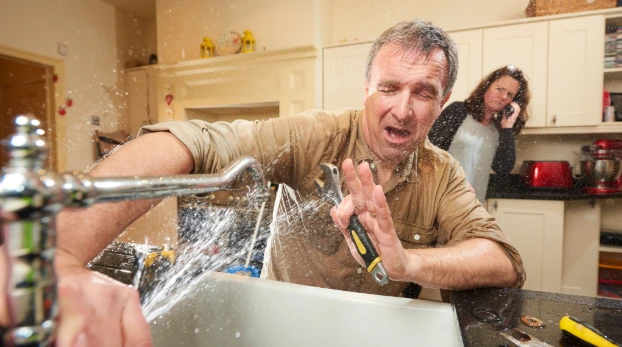
Some plumbing issues should never be a DIY project, no matter how confident the YouTube tutorial makes you feel. Gas line work, sewer backups, water heater repairs, and anything behind your walls can lead to water damage, code violations, or safety hazards if handled incorrectly. If you’re not sure whether a job is safe to tackle yourself, the answer is almost always to call a licensed plumber.
We get it. You see a dripping pipe or a toilet that won’t stop running, and your first instinct is to grab a wrench and save a few hundred dollars. That’s a completely reasonable thought. But here’s the thing: some plumbing repairs look simple on the surface while hiding real complexity underneath. And in Metro Atlanta, where older homes in Roswell, Alpharetta, and Marietta can have decades-old plumbing systems, the margin for error is even smaller than you’d expect.
This post breaks down the specific plumbing problems you should never attempt yourself, explains what can go wrong when you do, and helps you understand when calling a professional is the smartest financial decision you can make.
Which Plumbing Problems Are Too Dangerous to Fix Yourself?
Not all plumbing jobs carry the same risk. Swapping out a showerhead or replacing a flapper valve in your toilet tank? Go for it. But several common plumbing issues cross a line where the stakes get real.
- Gas line connections: If any part of your plumbing ties into a gas line (think: water heaters, gas-powered tankless units), a bad connection can cause a gas leak. That’s not a “whoops, I’ll try again” situation. Gas leaks can cause explosions, carbon monoxide poisoning, and evacuations. Licensed plumbers carry the certifications required to work on gas lines safely, and local codes in Fulton and Cobb counties require it.
- Sewer line repairs: When your main sewer line backs up, the problem is usually deep underground or running beneath your foundation. Digging without knowing what’s down there can damage utility lines, irrigation systems, or the foundation itself. Sewer work also involves raw sewage, which creates real health risks without proper equipment and containment.
- Water heater installation and repair: Whether it’s a traditional tank or a tankless system, water heaters involve a combination of high-temperature water, electrical wiring or gas connections, and pressure relief systems. Installing one incorrectly can void the manufacturer’s warranty, create a fire hazard, or cause a catastrophic tank failure.
- Anything behind walls or under floors: If a repair requires you to cut into drywall, pull up flooring, or access pipes in a crawl space, you’re looking at a job where one wrong move can cause hidden water damage that costs thousands to remediate.
Why DIY Plumbing Mistakes Cost More Than Hiring a Pro
The appeal of DIY plumbing usually comes down to money. But the math rarely works out the way homeowners hope it will.
A classic example: a homeowner notices a slow leak under the kitchen sink. They watch a video, buy a compression fitting at the hardware store, and tighten everything down. It holds for a week. Then the fitting fails at 2 a.m. on a Tuesday, and by morning, there’s standing water across the kitchen floor, the cabinet base is warped, and moisture has started creeping into the subfloor. At that point, you’re not just dealing with a plumbing fix. You’re looking at water extraction and mitigation to prevent mold and structural damage.
What started as a $200 repair call is now a $3,000 to $5,000 water damage restoration project.
This pattern plays out constantly. The “quick fix” materials sold at big box stores aren’t always the right solution for the specific pipe material, joint type, or water pressure in your home. A licensed plumber identifies the root cause, uses the correct materials, and makes sure the repair meets code. That matters more than most people realize.
Can a Bad DIY Repair Void Your Homeowner’s Insurance?
This is the question that catches a lot of homeowners off guard. And the short answer is: yes, it absolutely can.
Most homeowner’s insurance policies in Georgia cover sudden and accidental water damage. But if an adjuster determines the damage resulted from an improper repair (one that didn’t meet plumbing code or wasn’t done by a licensed professional), the claim can be denied. You’d be responsible for the full cost of repairs.
Beyond insurance, unpermitted plumbing work can create problems when you sell your home. A home inspection will flag code violations, and buyers in competitive markets like Alpharetta and East Cobb won’t overlook them. You’ll either need to fix the work properly before closing or accept a lower offer.
How Do You Know When to Call a Plumber vs. Handle It Yourself?
There’s a simple way to think about this. If the repair involves any of the following, it’s time to pick up the phone:
Shutting off water to the whole house. Working near or on gas lines. Accessing pipes inside walls, ceilings, or foundations. Dealing with sewage or drain lines beyond a simple clog. Installing or repairing a water heater. Any situation where a permit might be required.
On the other hand, these jobs are generally safe for a handy homeowner: replacing a faucet aerator, swapping a showerhead, replacing a toilet flapper or fill valve, tightening a loose P-trap connection, and clearing a minor sink clog with a plunger or hand snake. For issues like a persistent dripping faucet, the fix might seem easy, but the underlying cause (a worn cartridge, corroded valve seat) often needs professional attention.
The gray area is where people get into trouble. If you’re not confident about what’s causing the problem (not just the symptom you can see), calling a professional is the safer and usually cheaper path. Not sure how to find a plumber you can trust? Look for licensed, insured pros with strong local reviews and transparent pricing.
What Happens When Plumbing Code Gets Ignored?
Building codes exist for a reason, and plumbing codes are some of the most detailed. They cover pipe sizing, venting, fixture placement, backflow prevention, and a long list of requirements that most homeowners have never heard of.
When a DIY repair skips the code, several things can happen. Improper venting causes sewer gases to enter your home. Incorrect pipe sizing leads to low water pressure or drainage problems. Missing backflow prevention puts your drinking water at risk of contamination.
In Metro Atlanta, code enforcement varies by jurisdiction, but the risk is always there. And even if no inspector ever knocks on your door, the consequences of code-noncompliant plumbing show up in the form of recurring problems, property damage, and that dreaded home inspection before a sale.
Your Plumbing Questions, Answered
What plumbing issues should you never try to fix yourself?
Gas line work, sewer line repairs, water heater installation, and any repair that requires cutting into walls or floors. These jobs carry risks of gas leaks, sewage exposure, electrical hazards, and hidden water damage that can far exceed the cost of hiring a licensed plumber. When something goes wrong with these systems, it can quickly become a plumbing emergency.
Is it illegal to do your own plumbing in Georgia?
Homeowners in Georgia can legally perform some plumbing work on their own property, but many jobs require a permit and inspection. Work on gas lines, sewer connections, and water heater installations typically falls under permit requirements. Doing the work without a permit can create legal and insurance complications.
How much does it cost to call a plumber in Atlanta?
Service call fees in Metro Atlanta typically range from $75 to $150, with the total cost depending on the complexity of the repair. While that might seem like a lot for a small fix, it’s a fraction of what you’d pay to repair water damage or redo work that wasn’t done correctly the first time.
Can I replace my own water heater to save money?
Technically, yes, but it’s strongly discouraged. Water heaters involve gas or high-voltage electrical connections, proper venting, pressure relief valves, and code-compliant installation. An incorrect installation can void the warranty, create safety hazards, and fail inspection if you ever sell your home.
What’s the biggest risk of DIY plumbing?
Hidden water damage. A leak behind a wall or under a floor can go undetected for weeks, leading to mold growth, structural damage, and repair costs that dwarf the original plumbing issue. Professional plumbers test their work and use leak detection methods to spot potential problems before they become expensive ones.
Know When to Put the Wrench Down
There’s no shame in handling simple plumbing tasks around the house. But knowing where your skills end, and professional expertise begins is one of the smartest things you can do as a homeowner. The cost of a service call is almost always less than the cost of fixing a DIY job that didn’t hold.If you’re dealing with a plumbing issue in Roswell, Alpharetta, Marietta, Milton, or anywhere in Metro Atlanta and you’re not sure whether it’s a DIY job or a professional one, give Busted Pipes Plumbing a call. We’re happy to help you figure out the right next step.