
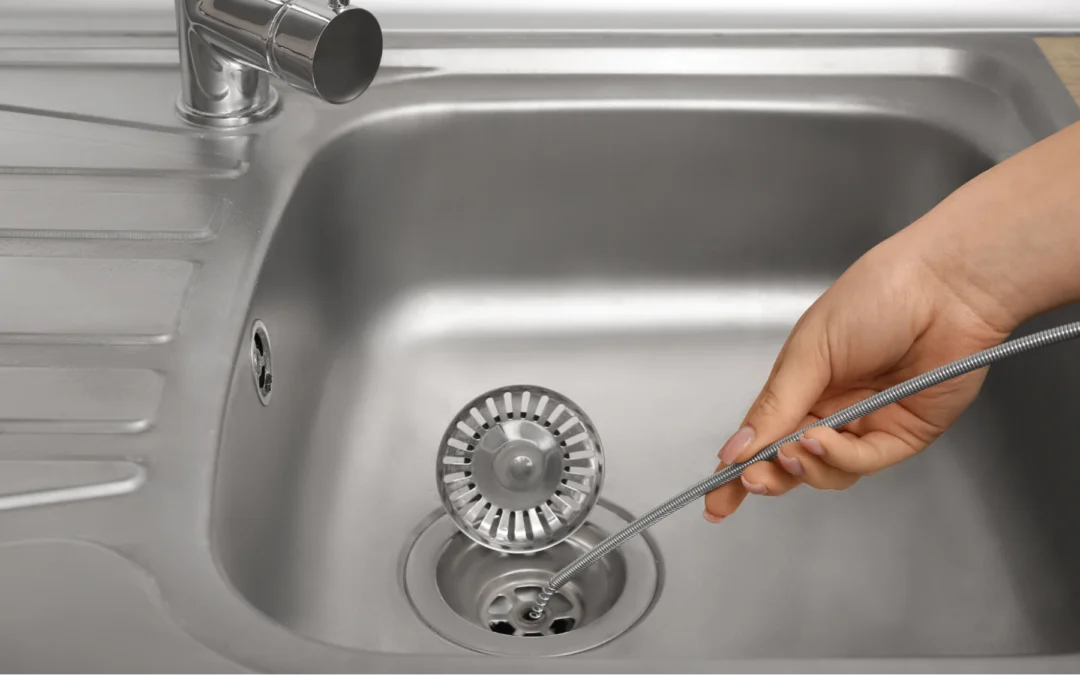
If your drains keep clogging even after you clear them, it’s because something deeper is going on. A plunger or a bottle of drain cleaner only punches a hole through the blockage. The buildup causing it (grease coating the pipe walls, hair wrapped around the stopper, tree roots creeping into the sewer line, or old pipes that have lost their smooth interior) is still there, quietly collecting debris until the drain slows down again. That’s why the same sink backs up every few weeks like clockwork.
The good news? Once you know what’s actually causing your recurring clogs, you can stop treating symptoms and fix the source. This guide walks you through the usual suspects, how to tell a single-fixture problem from a main sewer line issue, and which prevention habits actually work.
The Real Reasons Your Drains Keep Backing Up
Most recurring clogs trace back to one of five causes, and each one leaves its own fingerprints.
- Grease and soap buildup: Bacon fat poured down the kitchen sink doesn’t disappear. It cools, hardens, and sticks to the pipe walls like candle wax. Every pot of pasta water and every squirt of dish soap adds another layer. Eventually the opening inside the pipe shrinks from two inches to the width of a pencil, and a few coffee grounds are all it takes to seal it shut.
- Hair and gunk in bathroom drains: Shower and tub drains collect hair, and hair binds with soap scum to form a dense mat just below the stopper. You can pull out a clump today and have a fresh one forming by next month if nothing’s catching it at the surface.
- Flushable wipes that aren’t: Wipes, paper towels, and cotton products don’t break down the way toilet paper does. They snag on any rough spot inside the line and build a net that catches everything behind it.
- Tree roots in the sewer line: This one’s big around here. Mature oaks and maples in established Roswell and Marietta neighborhoods send roots hunting for moisture, and a tiny crack in an older sewer line is an open invitation. Roots grow into the pipe, then trap paper and waste like a strainer. If your clogs come back no matter what you do inside the house, roots are a prime suspect.
- Aging or damaged pipes: Homes built before the mid-80s may have cast iron or clay drain lines. Cast iron rusts and flakes on the inside, creating a rough surface that grabs debris. Clay pipes shift and separate at the joints. Either way, the pipe itself becomes the clog magnet, and no amount of careful habits fully solves that.
One Clogged Drain or a Main Line Problem? Here’s How to Tell
Answer this question first, because it changes everything about the fix.
If only one fixture is acting up (say, the bathroom sink drains slowly but everything else runs fine), you’re almost certainly dealing with a localized clog in that fixture’s branch line. Annoying, but contained.
If multiple drains are slow at the same time, pay attention. When the tub gurgles while the washing machine drains, or water backs up into the shower when you flush the toilet, the blockage sits in the main sewer line where all your drains meet. The lowest drains in the house show trouble first, which is why main line problems often announce themselves in a basement floor drain or a first-floor tub.
A few more main line warning signs worth knowing:
- Gurgling sounds from drains you aren’t using
- Sewage smells coming up from floor drains
- Toilets that bubble when the sink runs
- Soggy patches or unusually green grass over the sewer line in your yard
A main line clog is a call-the-plumber situation, and quickly. The next stop for that wastewater is back inside your house. Busted Pipes Plumbing sees this pattern all the time across Metro Atlanta, and it’s one of the plumbing issues that really do require professional service rather than another round of DIY.
Why Chemical Drain Cleaners Make Things Worse
Liquid drain cleaners feel productive, but they’re a short-term patch with long-term costs. The caustic chemicals generate heat as they eat through a clog, and that heat stresses PVC joints and accelerates corrosion in older metal pipes. Worse, they rarely clear the full blockage. They melt a channel through the middle, water flows again for a week or two, and the remaining sludge starts collecting debris immediately.
If you’re reaching for the same bottle every month, the drain cleaner isn’t failing you. It’s telling you the problem lives deeper than chemicals can reach.
Prevention Habits That Actually Work
You can’t out-habit a root-invaded sewer line, but for everyday clogs, a few simple changes make a real difference:
- Scrape grease into the trash: Pour cooled fat into a can or jar, never the sink. Wipe greasy pans with a paper towel before washing.
- Use drain screens: A $5 mesh screen in the shower catches hair before it dives down the drain. Empty it weekly.
- Flush only toilet paper: Nothing labeled “flushable” except actual toilet paper. Wipes go in the trash, full stop.
- Run hot water after kitchen use: Thirty seconds of hot water helps move soap and food residue through the line before it settles.
- Mind the disposal: Garbage disposals handle scraps, not stringy vegetables, coffee grounds, eggshells, or pasta that swells with water.
These habits keep healthy pipes healthy. If you’re doing all of this and the clogs still come back, the problem is in the pipes themselves.
What Professional Drain Cleaning Does That DIY Can’t
A plumber brings two things you can’t rent at the hardware store: diagnosis and reach.
A camera inspection sends a small waterproof camera through your drain line so you can see exactly what’s going on. Roots, cracks, sagging sections, grease dams: no more guessing. It’s the difference between treating a symptom and identifying the disease.
For the fix itself, professional snaking uses motorized augers that cut through blockages a hand-crank snake can’t touch. Hydro jetting goes further, blasting the pipe walls clean with high-pressure water and stripping away years of grease and scale so the pipe drains like new. For root intrusions, jetting clears the growth, and the camera shows whether the pipe needs a repair to keep them out.
If a recurring clog turns out to be a damaged or collapsed line, catching it early matters. A slow drain is a much cheaper problem than a burst pipe or a sewage backup that requires water extraction and cleanup.
Your Drain Questions, Answered
Why do my drains keep clogging even after I clear them?
Because clearing a clog usually removes only part of it. The buildup on the pipe walls, or a deeper issue like tree roots or pipe damage, can remain and catch new debris. Repeat clogs in the same drain mean the underlying cause was never removed.
How do I know if my main sewer line is clogged?
Multiple slow drains at once is the biggest giveaway. If flushing the toilet makes the tub gurgle, or water backs up in your lowest drains, the blockage is in the main line, not a single fixture. Sewage odors and bubbling toilets are other common signs.
Are chemical drain cleaners bad for pipes?
Yes, with regular use. The heat and caustic chemicals can soften PVC joints and speed up corrosion in metal pipes, and they rarely remove the whole clog. Occasional use on a minor clog is unlikely to cause damage, but monthly use is a sign you need a real fix.
Can tree roots really clog my drains?
Absolutely, and it’s common in Metro Atlanta’s older neighborhoods. Roots enter sewer lines through small cracks or loose joints, then grow into a mesh that traps waste. A camera inspection confirms it, and hydro jetting plus a pipe repair typically resolves it.
How often should drains be professionally cleaned?
Every one to two years for most homes, or sooner if you notice slow drains, gurgling, or odors. Homes with large trees near the sewer line or original pipes from before the 1980s benefit from more regular inspections.
Ready to Stop Fighting the Same Clog?
If a drain in your home has clogged more than twice in the past few months, it’s trying to tell you something. Whether it’s a hair-clogged tub in Alpharetta or a root-invaded sewer line under a Marietta front yard, the fix starts with finding the real cause.
Busted Pipes Plumbing serves homeowners across Metro Atlanta, including Roswell, Alpharetta, Marietta, and Milton, with drain diagnosis and cleaning that solves the problem at its source. Reach out to schedule a visit, and put the plunger back in the closet where it belongs.